
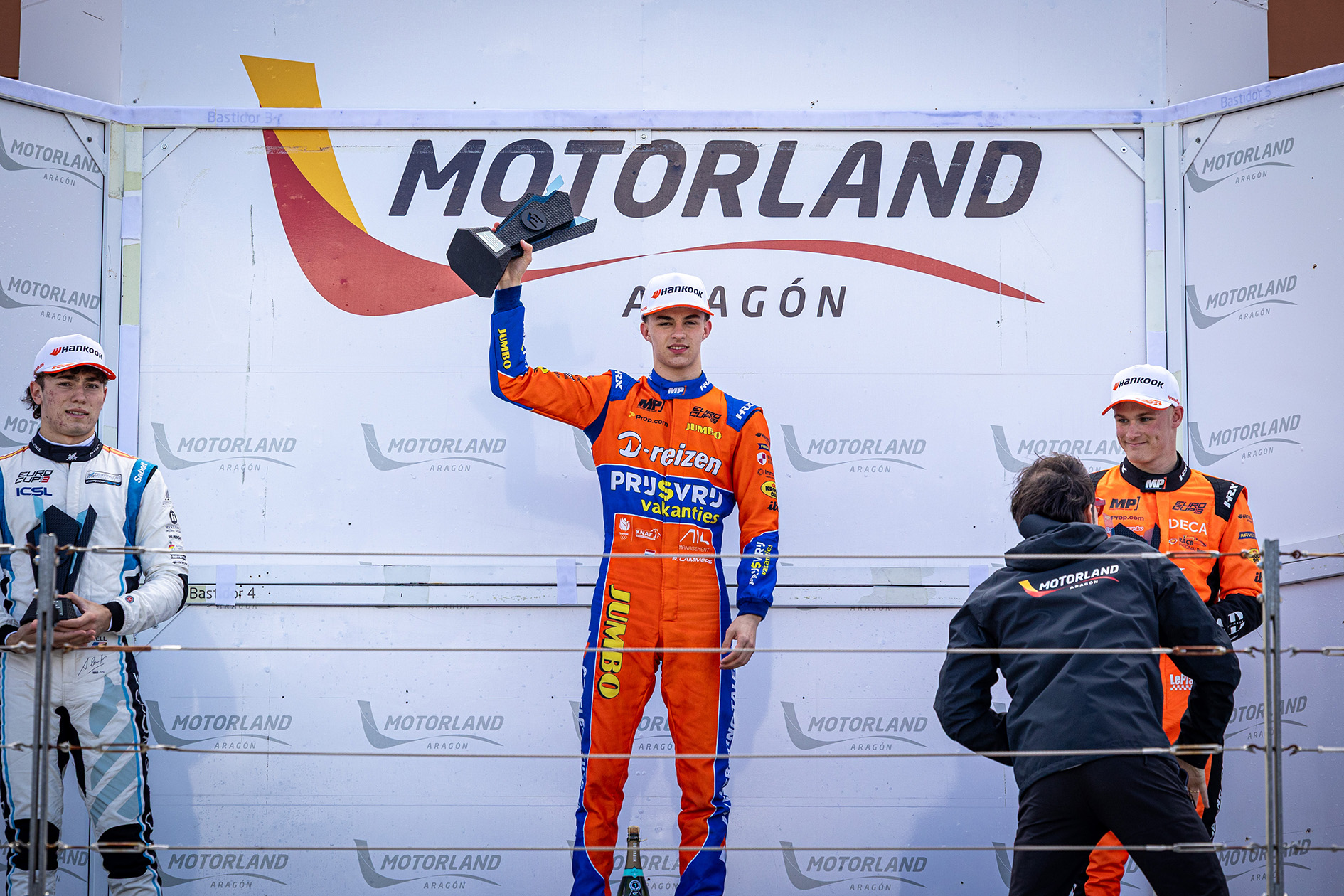
Following a strong start in the E3 Spanish Winter Championship, René Lammers is ready for his debut Eurocup-3 season with MP Motorsport. Just like his compatriot and MP teammate Kasper Schormans in the E4 category, Lammers was crowned rookie champion in the winter championship – a result that bodes well for the regular season that gets underway at Paul Ricard in early May. We caught up with the 17-year-old from Zandvoort to discuss his rapid progress over the winter, the new Dallara machine in Eurocup-3 and his prospects in the burgeoning single-seater category, which appears to have gained further momentum this year.
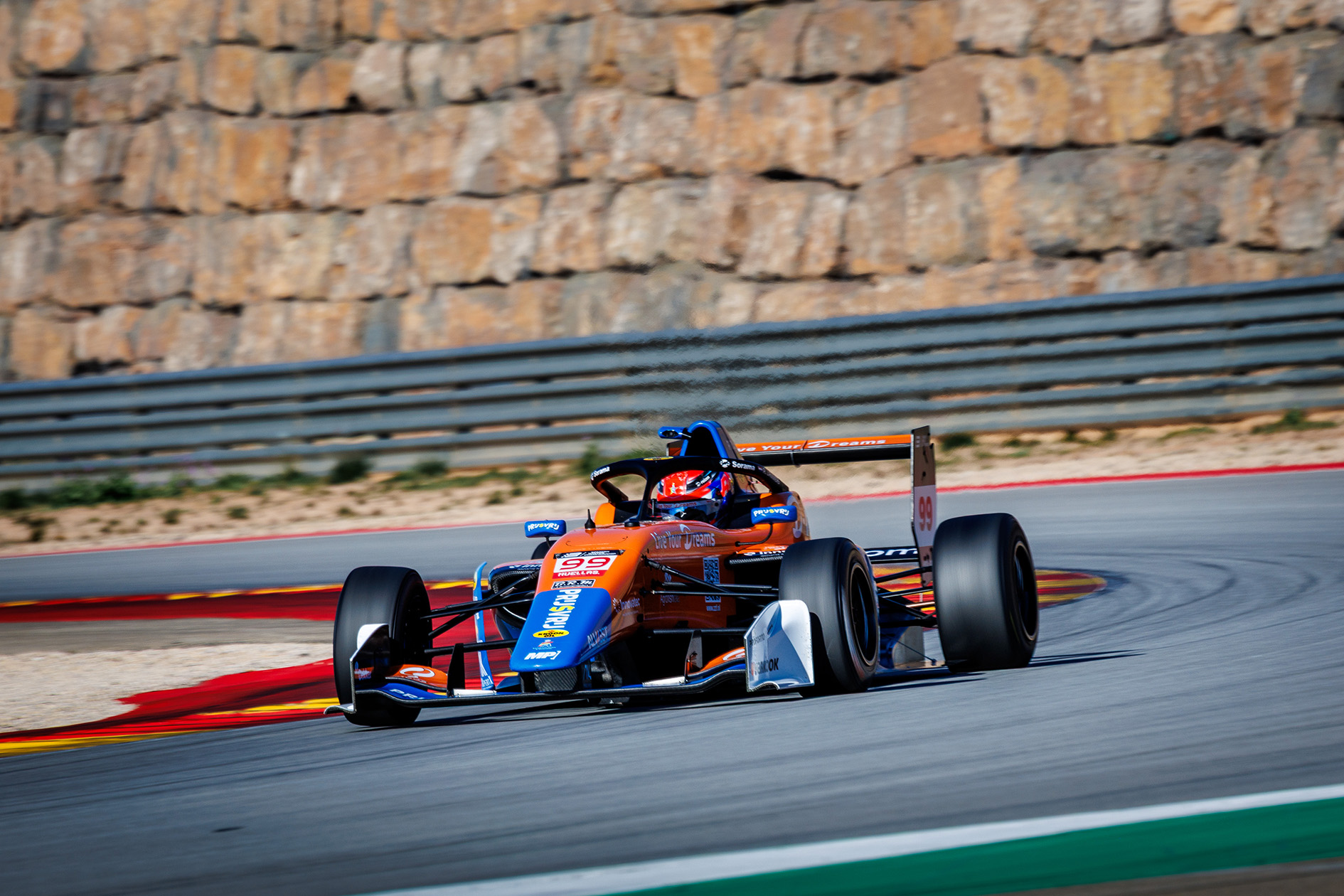
The 2023 European karting champion is in between two tests at Monza and Barcelona when we speak to him, but as he explains, those tests aren’t the biggest distraction in the seven-week gap between the E3 Spanish Winter Championship (SWC) and the Eurocup-3. “I’m actually quite busy with everything in my daily life right now. We are testing, of course, like that official test at Barcelona, but after that come my school exams and, funnily enough, my driving test! Especially in the junior categories, I miss a lot of school during the winter, so I have to catch up on all that now. Apart from that, we usually spend time in the sim at Atze Kerkhof’s place ahead of a test or a race weekend. And the gym is always a must.”
Lammers looks back on an extremely productive winter season in the SWC, having made progress every race weekend and as a result ending up as the best rookie in the championship as well as third overall in the final standings. In Formula 4, he experienced teething problems, partly caused by the late switch from the Italian championship to MP Motorsport in the Spanish championship and the accompanying change from Pirelli tyres to Hankooks. However, one level up in Eurocup-3, he proved to be the rookie able to adapt quickest this winter.
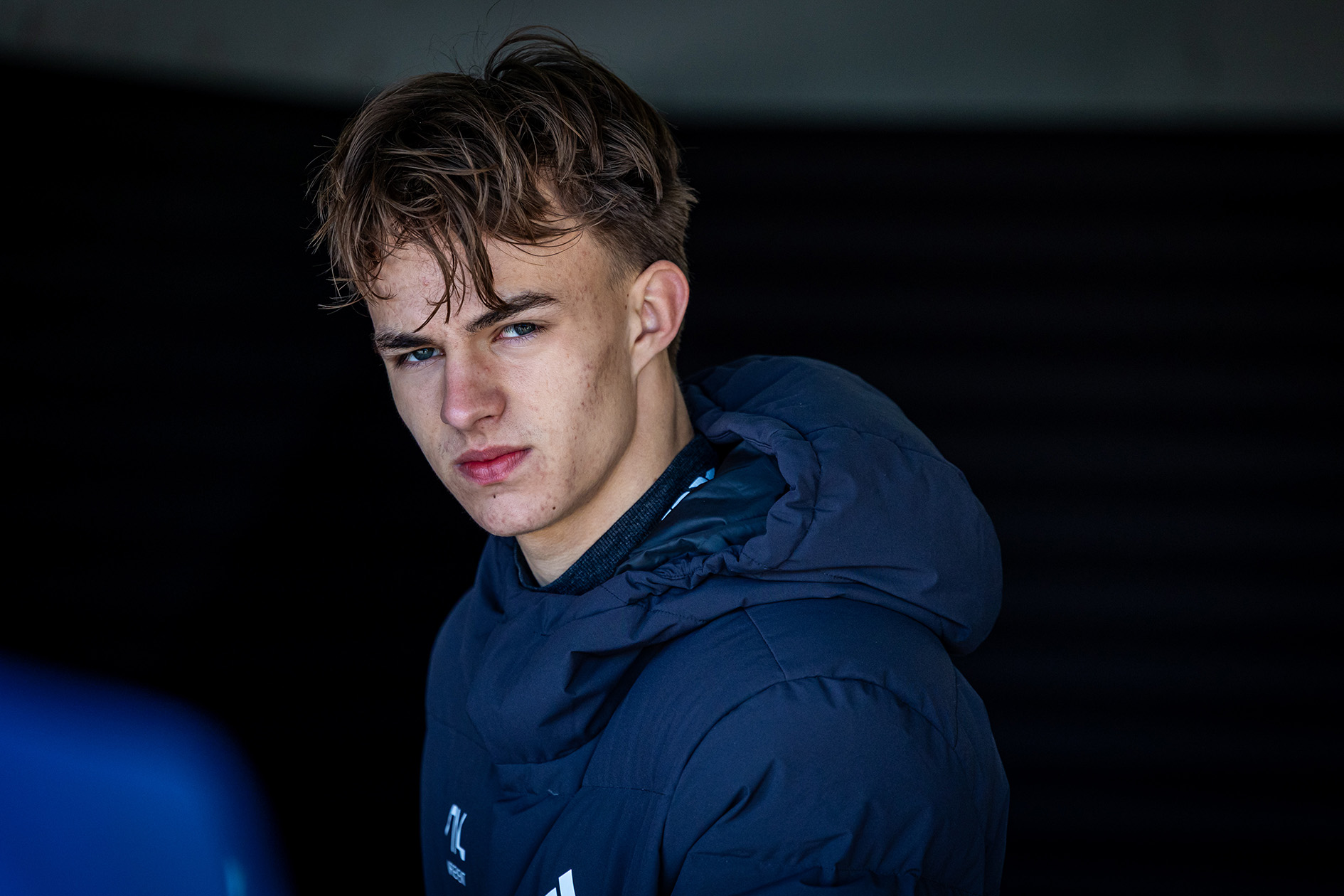
“Because of the low grip levels, Formula 4 was a category that didn’t suit me as well,” he explains. “I really had to adapt my driving style to it. In the new Eurocup car, I feel like I can get back to my old self. So far, it’s going really well and hopefully we can do even better in the regular championship.” So does the Dallara-Toyota F326 suit his natural driving style better? “Yes, that’s how it feels to me, as it’s a car with more downforce. Admittedly, with levels of grip I’ve never felt before and which I really had to get used to, but even so, as a rookie, I’m doing a lot better than I did in Formula 4. Although there are still plenty of things I need to learn. Or rather, learn better.”
During the three race weekends, it was clear to see how he gradually left his rookie rivals from last year’s Spanish F4 championship behind to end up with a clean sweep of three rookie wins in the final round of the winter series. What aspects did he need to get under control to be able to make that kind of progress in the first place? “For me, it’s a matter of ‘controlling the controllables’. Anything I can adjust to improve myself, I do. That could be anything, like looking more closely at the data, but above all learning as much as possible from every moment. Because that’s the mindset I went in with. I’m a rookie, so I’m not going to win every race from the first weekend. For me, it’s important that I learn as much as possible, so that I can start winning as soon as possible.”
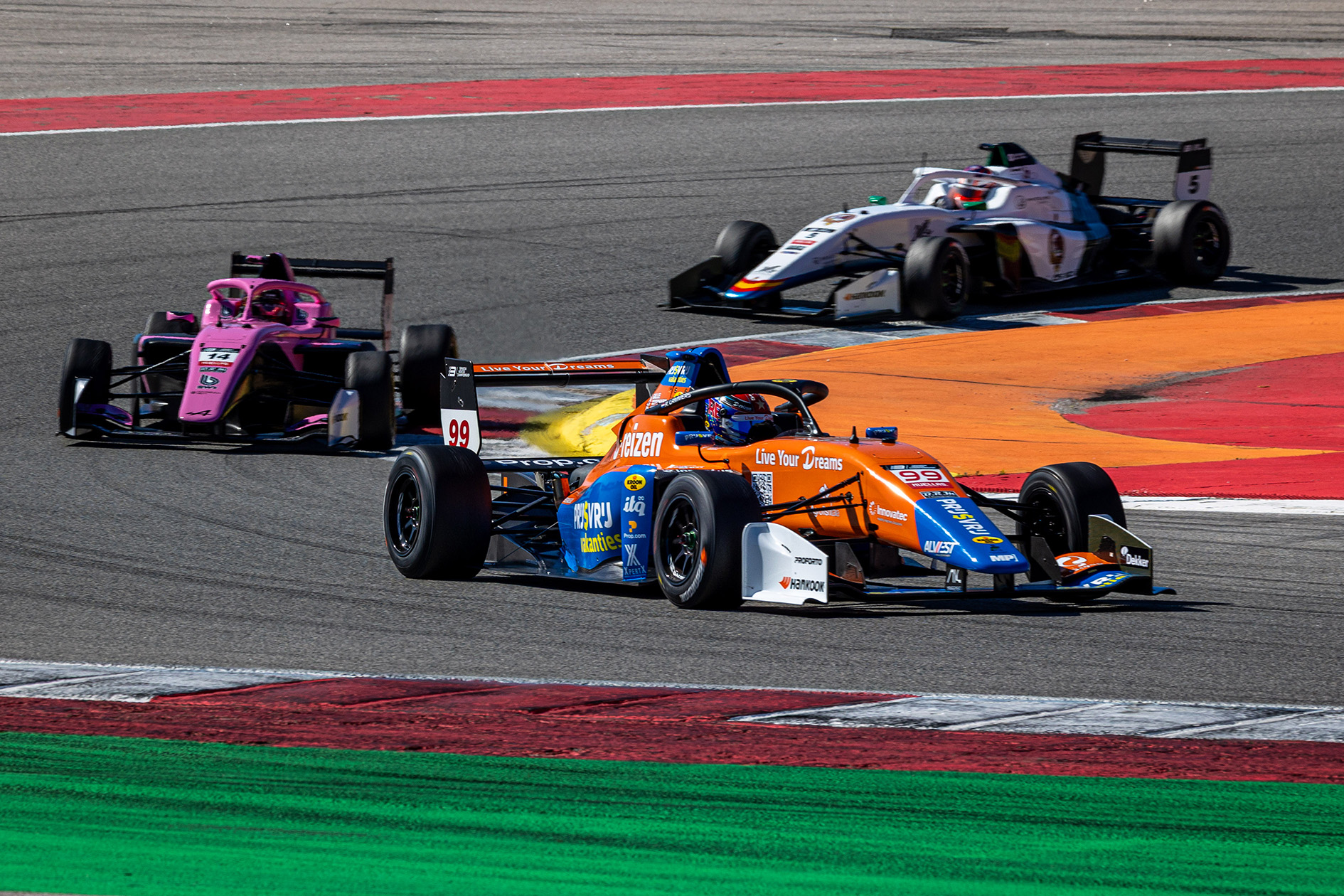
Lammers goes on to list all the new aspects of Eurocup-3 racing he needs to get to grips with, since the set-up options in the new Dallara are considerably greater than in the Tatuus from Formula 4. “While you have to learn to deal with those higher grip levels – and they really are much higher – there are all sorts of things you can apply whilst driving. Think of the push-to-pass system, but also the various throttle maps you can tweak behind the wheel. Let’s say you feel a bit of understeer on entry – then you can, for example, adjust the amount of throttle blip. You can also change the throttle map for a restart after a safety car. If you adjust all those settings well enough during a race, you’ll find that it pays off at the end. Of course, you won’t gain half a second per lap from it – we’re talking about hundredths. But even those can be very beneficial at the end of a race.”
And do the tyres make a difference? “They’re exactly the same as in Formula 4,” explains Lammers, “but they do react quite differently now. The downforce of the Eurocup-3 car naturally puts a lot more load on the tyres. So while in Formula 4 we would do lots of consecutive laps during qualifying, now you go out and do a maximum of four or five laps. After that, the tyres are done, so you have a peak of one lap in which it has to happen.”
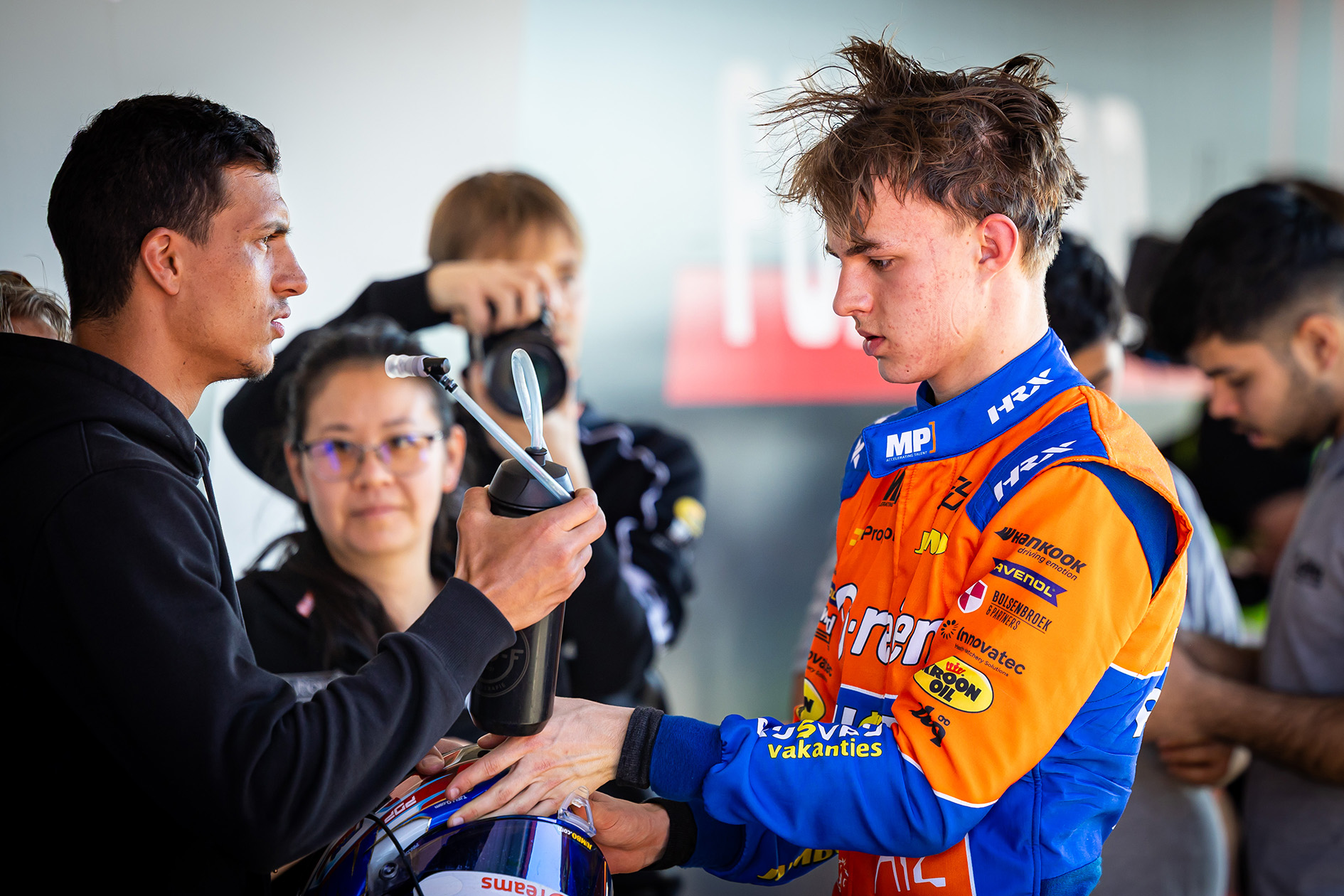
Making smart use of the 60-second push-to-pass that each driver is allowed to use during the race is a skill in its own right, as Lammers’ explanation of the system reveals. “The moments when you see two cars battling ahead are the moments when you can save it. But if there’s a safety car early in the race and you feel another one is coming, then it’s smart to use as much as possible. Otherwise, you’ll have too many seconds left at the end! It’s really a game. It also depends on which parts of the track you get the most out of your push-to-pass. For example, on a straight with a strong headwind. You need to look at that carefully with your team. You don’t just see your opponent pulling away when they press the button, mind you, it doesn’t make that much of a difference. But it’s quite a nice feeling when the car in front uses push-to-pass and I can keep up without using it. I know then that I’ve saved it, whereas they might have expected me to attack. There’s really a lot to take into account.”
In this winter championship, too, we saw the scourge of safety cars and restarts. Those can sometimes be demoralising for the viewer, but how does Lammers experience it behind the wheel? “It depends,” is his honest answer. “Sometimes you’ve opened up a good gap and then it’s a shame when the safety car comes out. On the other hand, it’s actually quite nice if you’re a few seconds behind. Or you’re in the lead and the safety car comes out on the final lap. Then you don’t have to race anymore and your position is safe. So it depends a bit on where you’re positioned. During this winter series, I’ve also learnt new tactics for the restarts. For example, it makes a difference whether you’re in the lead or second or third. Certainly during the final weekend at Motorland Aragon, I felt a lot more comfortable with that. Hopefully I can carry those restarts through to the rest of the season.”
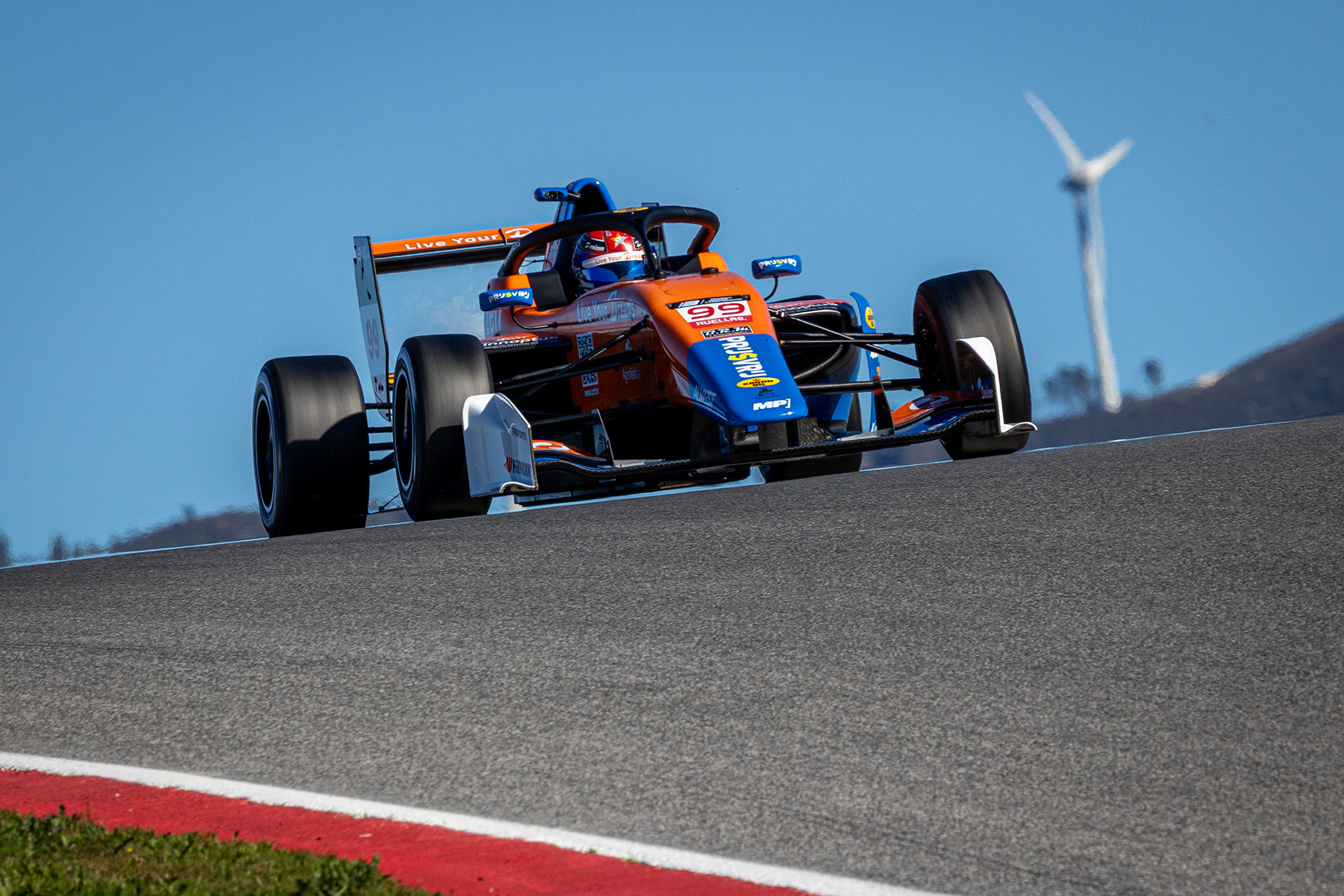
Lammers’ race pace and racing skills were certainly beyond question in the SWC, as he once again made up plenty of places compared to his starting positions. But the higher you start, the less you need to make up places, as at Jarama, where he was able to start the final race from the front row. How difficult is it to hit that peak in the Dallara at exactly the right moment in qualifying? “So far, qualifying has actually gone quite well for me. The first two weekends I was in the top five each time, feeling that I’d got the most out of my lap. Only the last qualifying session at Motorland Aragon was a bit tricky in the rain. Those are the moments when you have to adapt very quickly. Of course, because of the reverse grid, there’s always a race where you have to overtake anyway, but it’s still best if you start that sprint race in 12th and start the first race from pole. The aim remains to qualify as far up the field as possible. I managed that quite well in all the dry qualifying sessions, but there’s still room for improvement.”
Added to that is the extra challenge posed by the narrower peak of the tyres, which he explained earlier. “And that, in turn, depends on the track and the type of tarmac. At Portimão we had a few more laps to set a good time. But at Jarama the surface is very aggressive. We did three laps there – and if you didn’t set your fastest lap on the second or third lap, you had really missed your opportunity. On a track like Jarama, traffic also plays its part. It’s just under four kilometres long, so you come across a car every 150 metres. Try finding a lap on your own there! In the end, I managed that quite well. But if you look at Motorland Aragon, it doesn’t matter at all if there’s a car in front of you. In fact, you can benefit a lot from the slipstream. So traffic management also varies from track to track.”
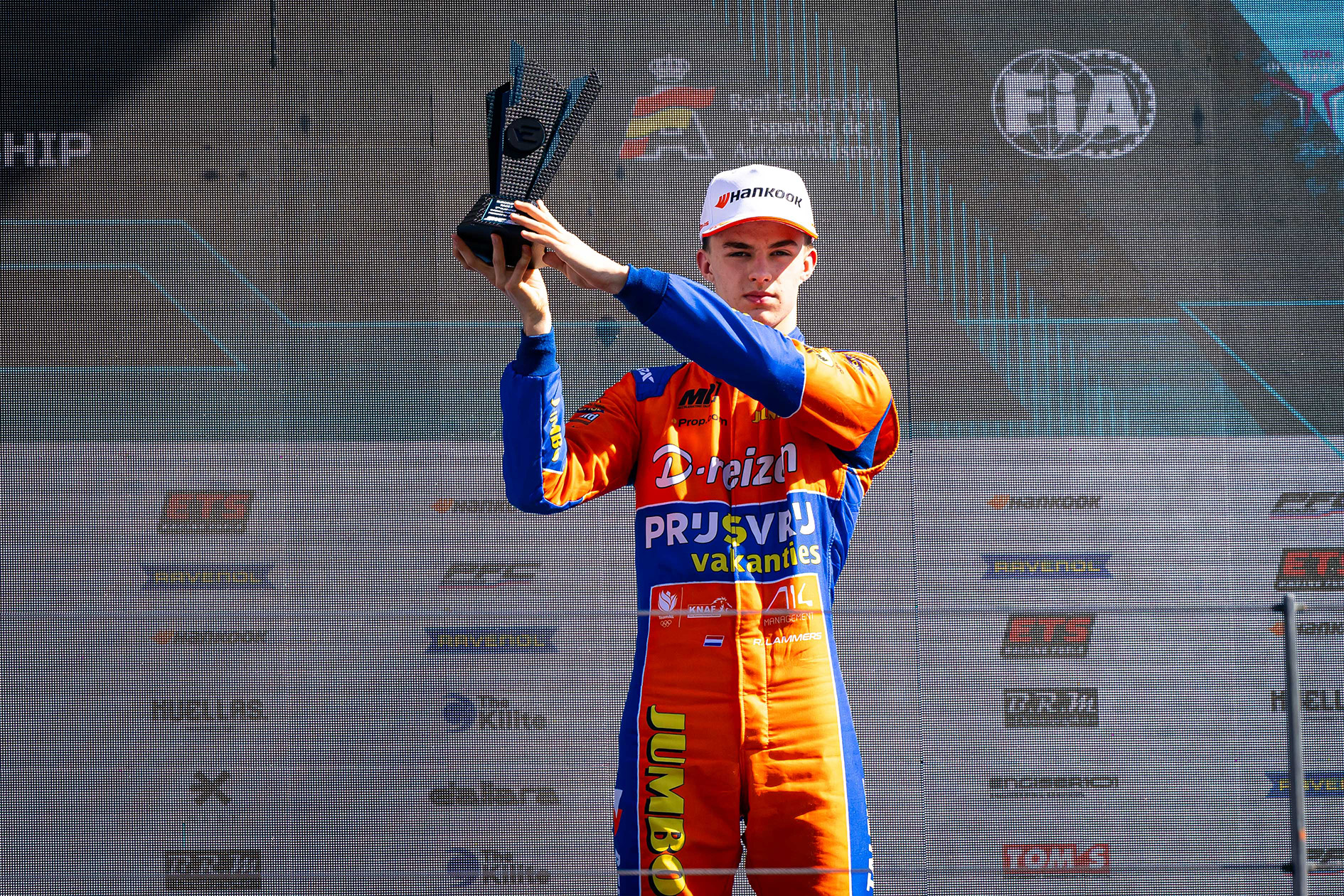
At MP Motorsport, Lammers has three Eurocup-3 teammates, Gianmarco Pradel, Ean Eyckmans and Alceu Feldmann. Does the team have a specific tactic for working together to beat the other teams in the team championship? Or is it every man for himself? “Ultimately, it’s always every man for himself! But if I’m in second place and my teammate is third, the idea is that we handle that as smartly as possible, so don’t try to overtake each other or do anything stupid towards your teammate. And right at the end of the championship, you could help a teammate become champion by allowing them through. In any case, we have all the data from all the drivers to analyse with your own engineer. Because if everyone kept everything to themselves, you wouldn’t be at the front by the end of the weekend!”
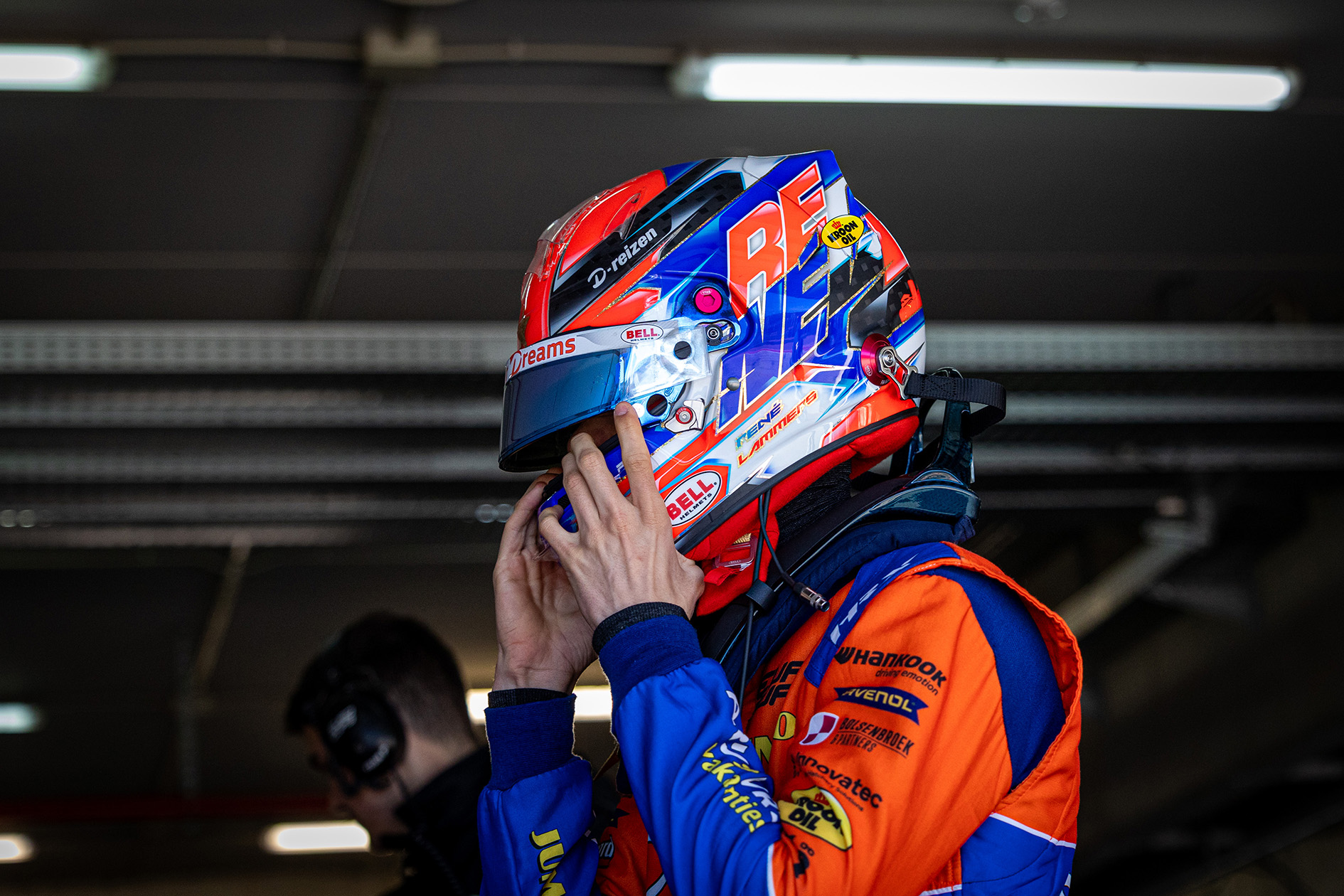
It’s time to wrap up with the key question: how long before the fastest sophomore drivers in the championship need to start worrying? “I think I feel comfortable going all out for the win from the very first weekend,” is Lammers’ confident reply. “But I’m approaching it with the mindset that it’s a long championship. If I can win, I won’t let it slip. But you also have to assess what’s smart on a race-by-race basis. So no do-or-die moves to grab that win if I’ve got a safe second place. It’s very important to pick up good points throughout the season. And that doesn’t have to mean winning every single race.”


